A Simple Guide to Iron Deficiency
Iron deficiency is incredibly common, but because the symptoms creep up slowly, many people just mistake it for regular tiredness.
Agumba Mathews·29 September 2026
Why Am I So Tired?
Have you been feeling completely wiped out lately, even after a full night’s sleep? Do you get dizzy when you stand up, or notice that your hands and feet are always freezing?
You might be dealing with iron deficiency.
Iron deficiency is incredibly common, but because the symptoms creep up slowly, many people just mistake it for "regular tiredness." Let’s break down exactly what iron deficiency is, how to spot it, and how to get your energy back in simple terms.
What is Iron Deficiency?
Think of iron as the delivery truck for your body. Your body uses iron to make hemoglobin, a special protein in your red blood cells. Hemoglobin’s only job is to pick up oxygen from your lungs and deliver it to your brain, muscles, and organs.
If you don't have enough iron, your body can't make enough delivery trucks. Without enough oxygen moving through your system, everything slows down, leaving you feeling utterly exhausted.
6 Warning Signs to Watch For
While constant fatigue is the biggest clue, iron deficiency shows up in a few other surprising ways:
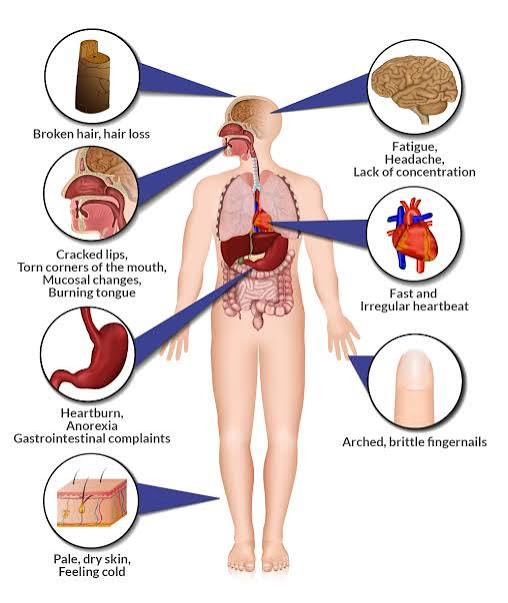
Pale Skin: If you look unusually pale—especially inside your lower eyelids, lips, or fingernails—your red blood cells might be running low on hemoglobin.
Shortness of Breath: Finding yourself winded just climbing a basic flight of stairs? That's your body crying out for oxygen.
Cold Hands and Feet: When iron is low, your body prioritizes sending oxygen to your vital organs first, leaving your fingers and toes out in the cold.
Dizziness and Headaches: A lack of oxygen reaching the brain can make your head spin or throb.
Brittle Nails or Hair Loss: Your hair and nails need nutrients to grow. Without enough iron, nails can become brittle or scoop inward like spoons, and hair may thin out.
Strange Cravings: A strange symptom called "pica" causes people with low iron to crave non-food items like ice, dirt, or paper.
What Causes It?
People usually run low on iron for three main reasons:
Not eating enough iron: Following a strict diet without replacing animal iron with plenty of plant-based iron.
Blood loss: This is the most common cause for women, usually due to heavy menstrual periods. Internal issues like stomach ulcers can also cause it.
Trouble absorbing it: Conditions like celiac disease or past gut surgeries can stop your body from absorbing iron from your food properly.
How to Fix It and Get Your Energy Back
If you suspect your iron is low, do not guess. The very first step is to visit a doctor for a simple routine blood test. Taking iron supplements when you don't need them can be harmful.
If your doctor confirms you are low, they will likely suggest a combination of these steps:
1. Eat More Iron-Rich Foods
Load up your plate with foods that are naturally high in iron:
Animal sources (easily absorbed): Red meat, poultry, fish, and eggs.
Plant sources: Spinach, kale, beans, lentils, tofu, and fortified cereals.
2. Pair Iron with Vitamin C
Vitamin C acts like a magnet for iron, helping your gut absorb much more of it. Try drinking a glass of orange juice with your meal, or squeezing lemon juice over your spinach.
3. Avoid "Iron Blockers"
Take a break from coffee, tea, and dairy products around meal times. The calcium in dairy and the tannins in tea/coffee can block your body from absorbing the iron in your food.
4. Talk to Your Doctor About Supplements
If your levels are very low, eating iron-rich foods won't be fast enough. Your doctor will likely prescribe an iron pill. Just keep in mind that these take a few months to fully rebuild your body's backup supply, so consistency is key!